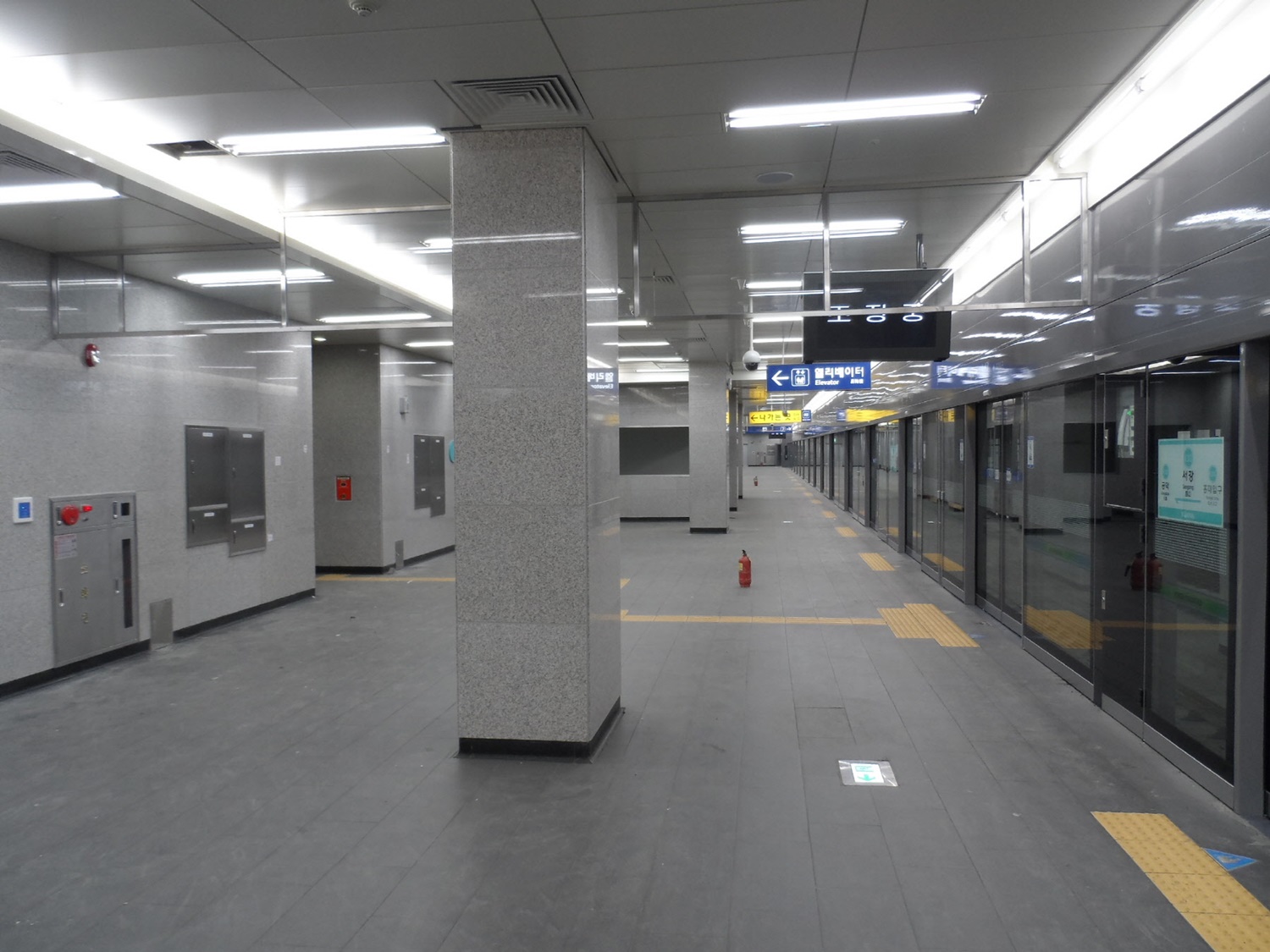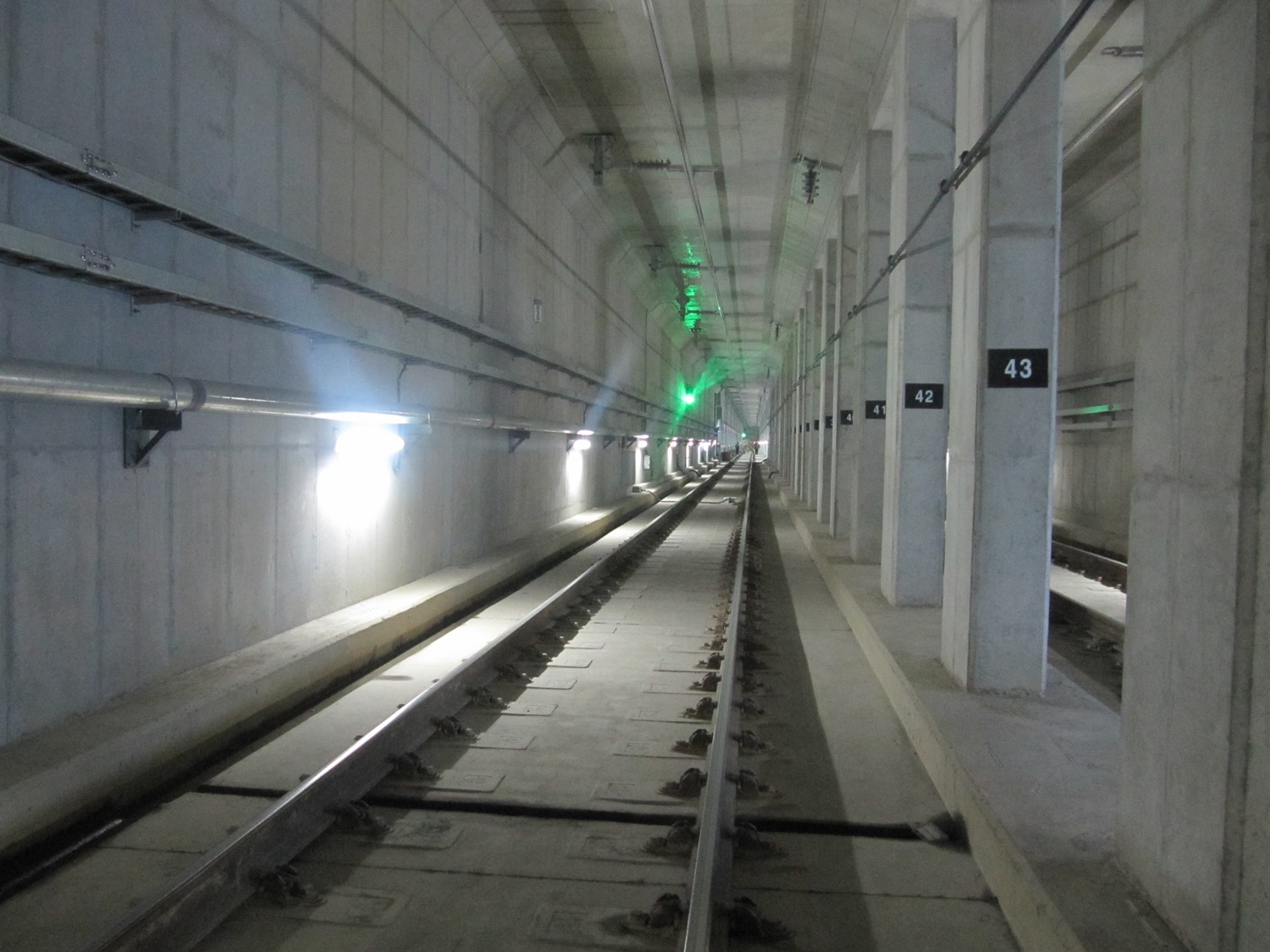

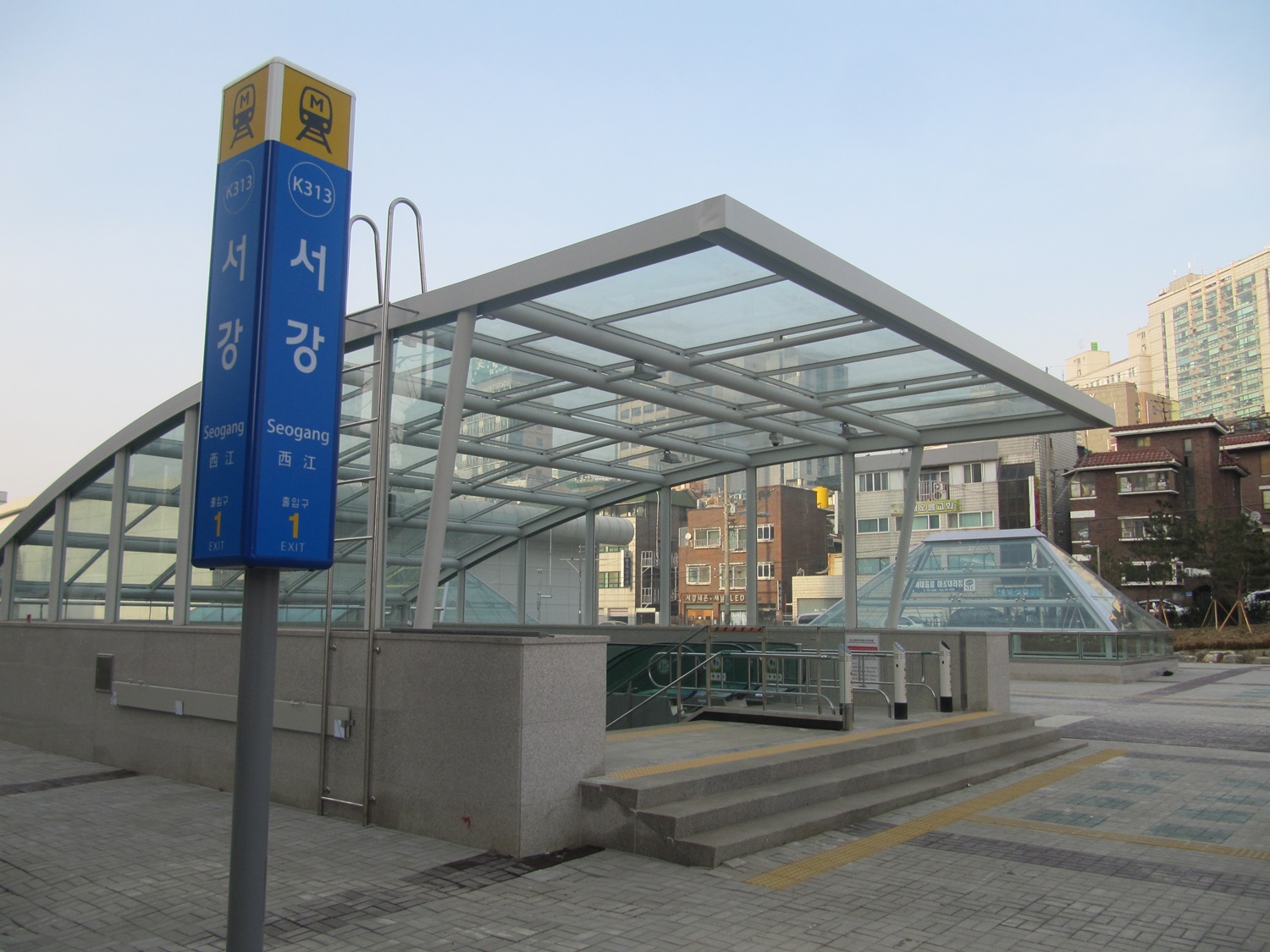
Gyeongui Line Yongsan-Munsan Double-Track Railway New Construction Project Section 1-2B
POSCO E&C was awarded the Gyeongui Line (Yongsan–Munsan) Double-Track Railway Section 3 roadbed construction project on December 7, 2000, which was commissioned by the Public Procurement Service and executed by the Korean National Railroad Administration. This project involved constructing a new 13.9 km railway roadbed and a 1.8 km suburban line roadbed from Haengsin-dong, Goyang-si, Gyeonggi-do to Unjeong-dong, Paju-si, including 17 bridges, 11 multi-level grade separations, 22 bridges and old culverts, and 7 stations.
The Gyeongui Line is a 496.6 km long railway connecting the Gwanseo region vertically from Seoul through Kaesong and Pyongyang to Sinuiju. Opened in 1906, it served as a major artery of the national territory. However, operations between the South and North were suspended after the Korean War. Following the agreement to reconnect the Gyeongui Line at the inter-ministerial talks held in Pyongyang in
August 2000, the restoration of the southern section was completed in April 2002, awaiting inter-Korean connection.
In preparation for the restoration of the Gyeongui Line and the unification era, the government promoted a project to double-track and electrify the 48.6 km Gyeongui Line from Yongsan to Munsan. Begun in 1996, the section from Yongsan to Haengsin was completed in March 2004 in connection with the high-speed railway, and the double-track electrification construction from Haengsin to Munsan was completed in 2008.
The project achieved a 3x zero-accident milestone and received numerous awards, including the Eco-Friendly Construction Grand Prize (awarded by the Korea Rail Network Authority at the 1st Eco-Friendly Construction Awards in February 2007), the Minister's Award for Best Practices in Win-Win Cooperation (presentation of win-win partnership best practices between parent and partner companies in July 2008), and a Commendation for Contribution to Industrial Accident Prevention (commendation related to disaster prevention from the Seoul Regional Labor Office in June 2008).