
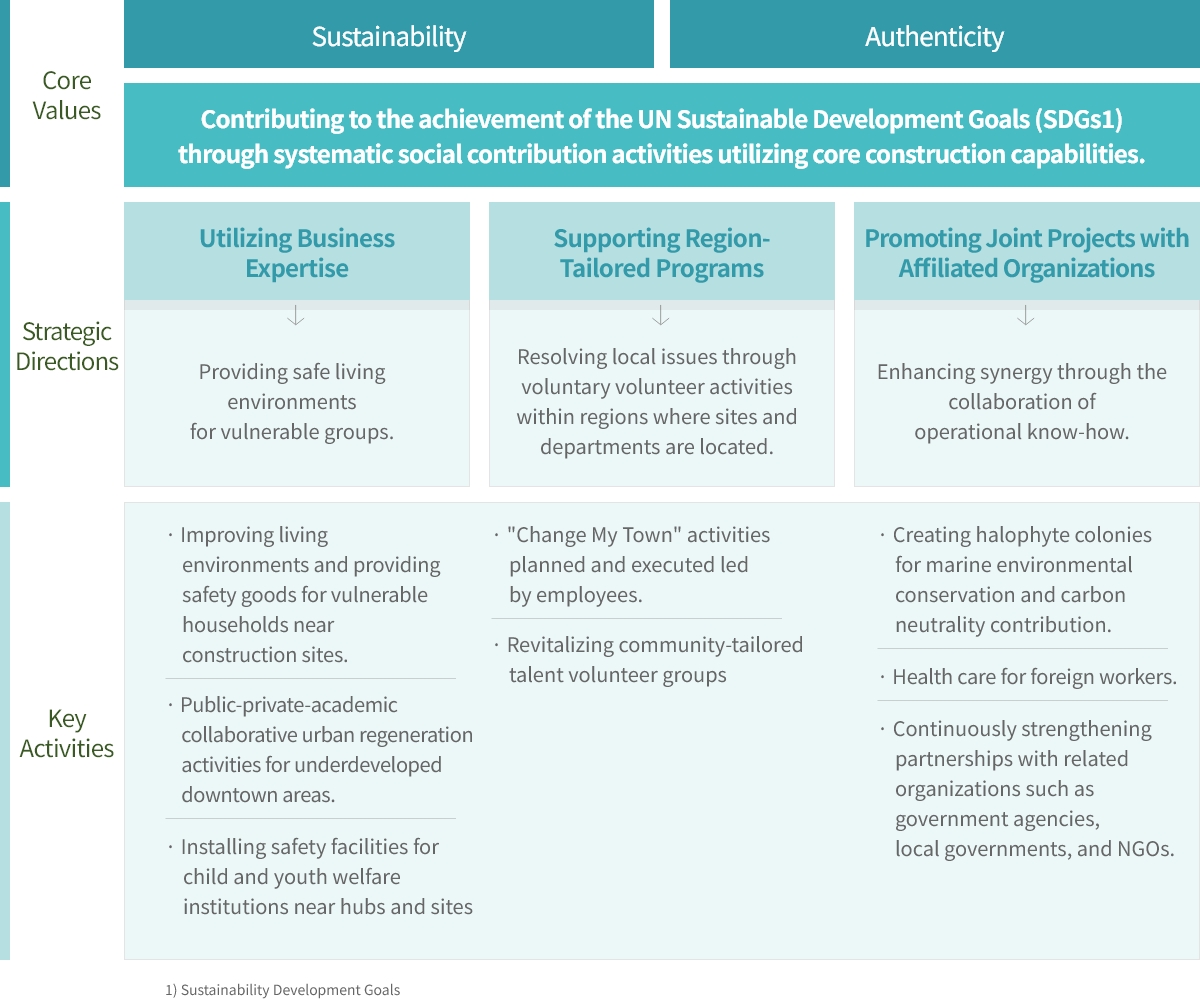
Shining a warm light to expand horizons, we actively engage in community problem-solving to create a better world.
-

-
Utilizing Business Expertise
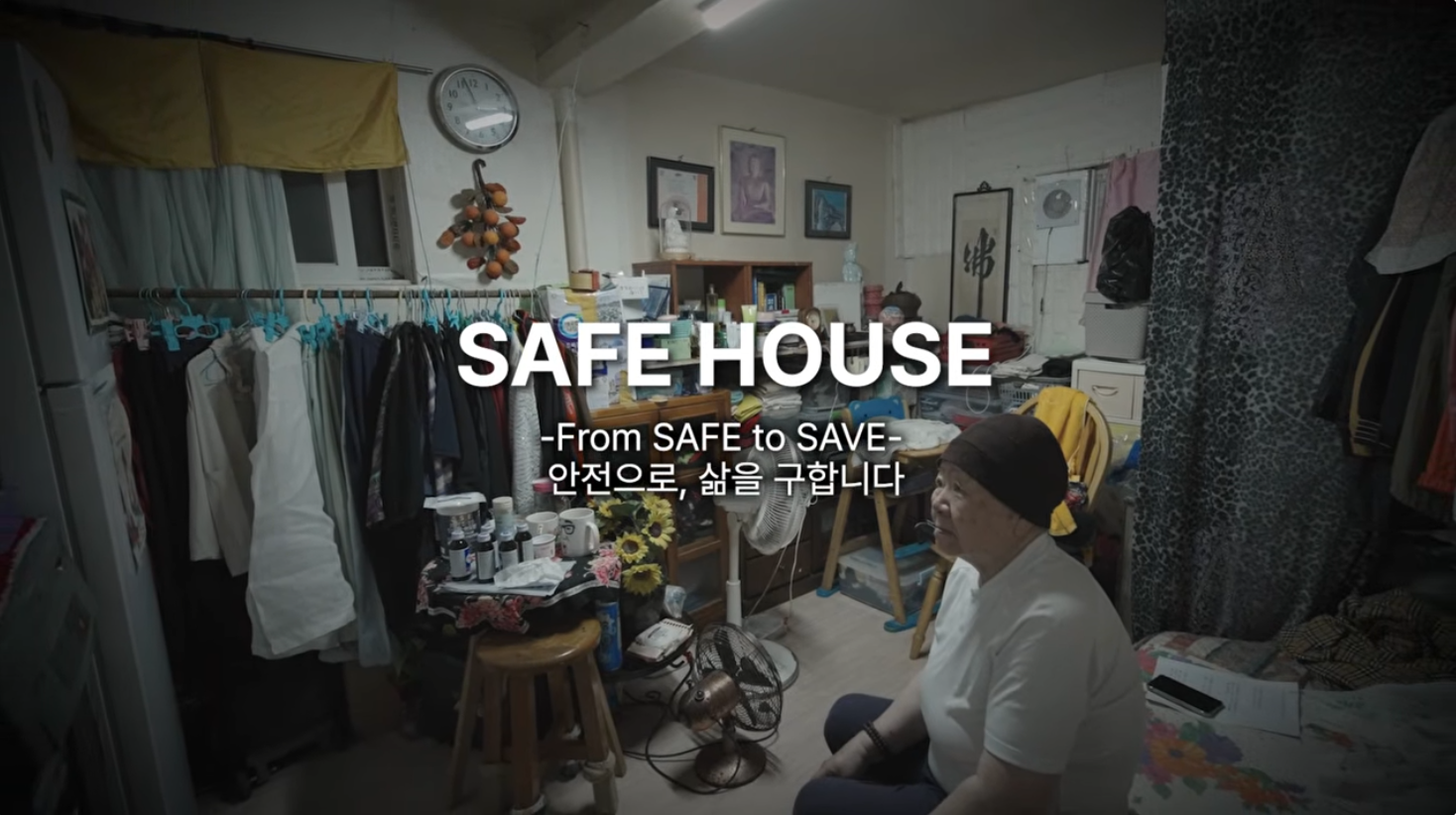
Fire Prevention Living Environment Improvement 'Safe House'
-
 454 Households Living Environment Improvement
 -
 Cumulative2,603 Households Supported Safety Supplies Support
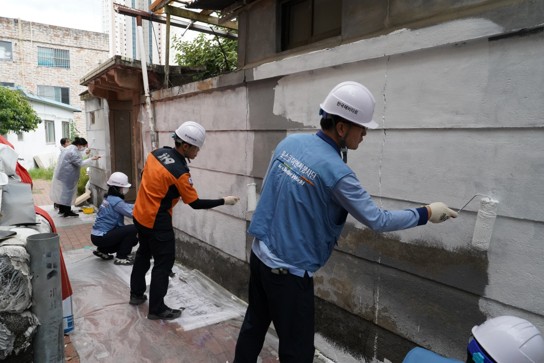
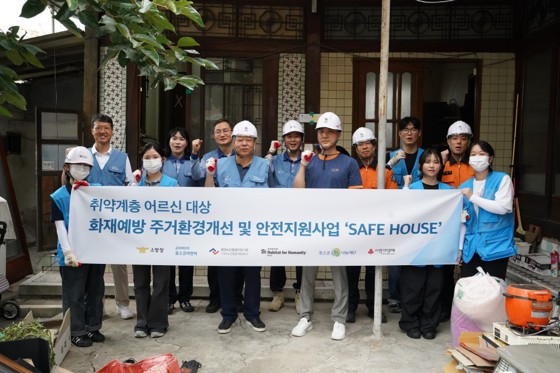
POSCO E&C has been consistently carrying out fire prevention living environment improvement projects, as well as providing safety supplies and safety education since 2013, to create safe living environments for households vulnerable to fire

Public-Private-Academic Linked Urban Regeneration Project 'Sustainable Society'
-
 Number of participating regions: 8 (cumulative)
 -
 Number of participating students: 389
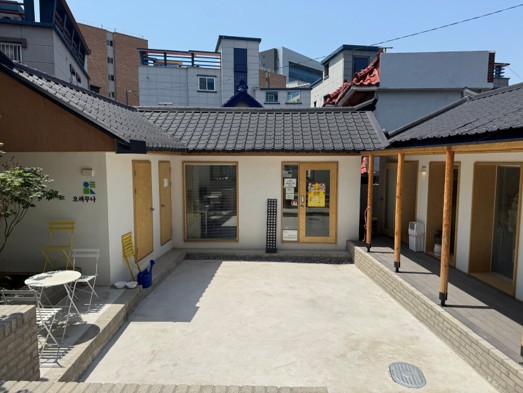
Since 2020, POSCO E&C has been operating the 'Sustainable Society' (formerly Urban Innovation School) program. In cooperation with local governments, universities, NGOs (Habitat for Humanity Korea), and POSCO Group companies, this initiative enables university students and local residents to discover and realize ideas for urban regeneration in underdeveloped downtown areas.
Supporting Region-Tailored Programs
Donor-Led Project 'Change My Town'
-
 104 sharing activities
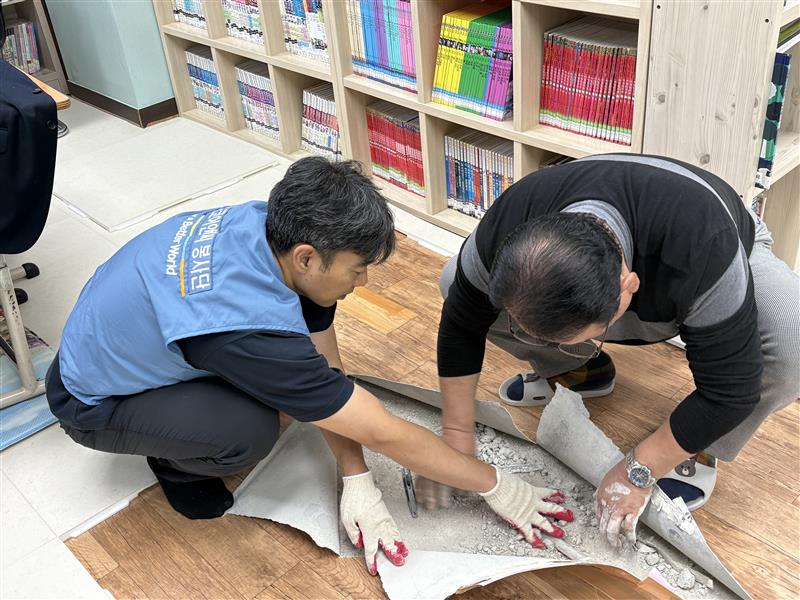
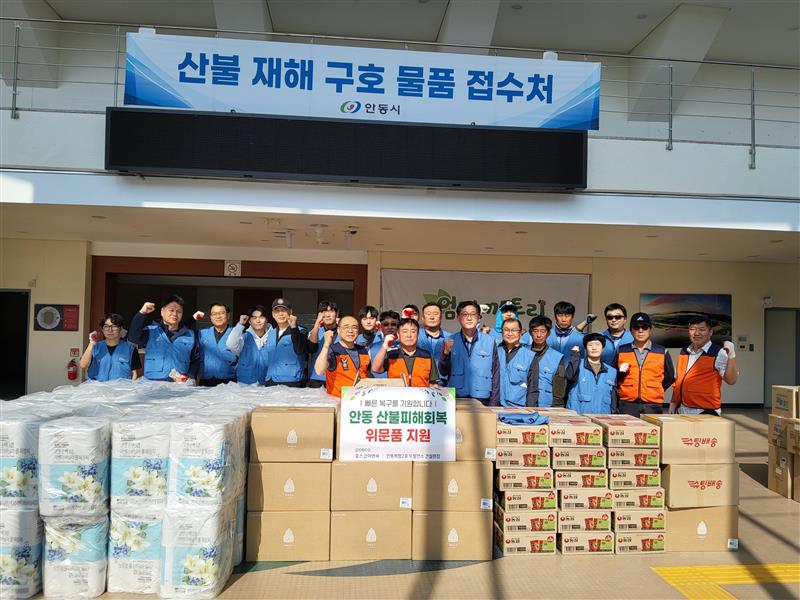
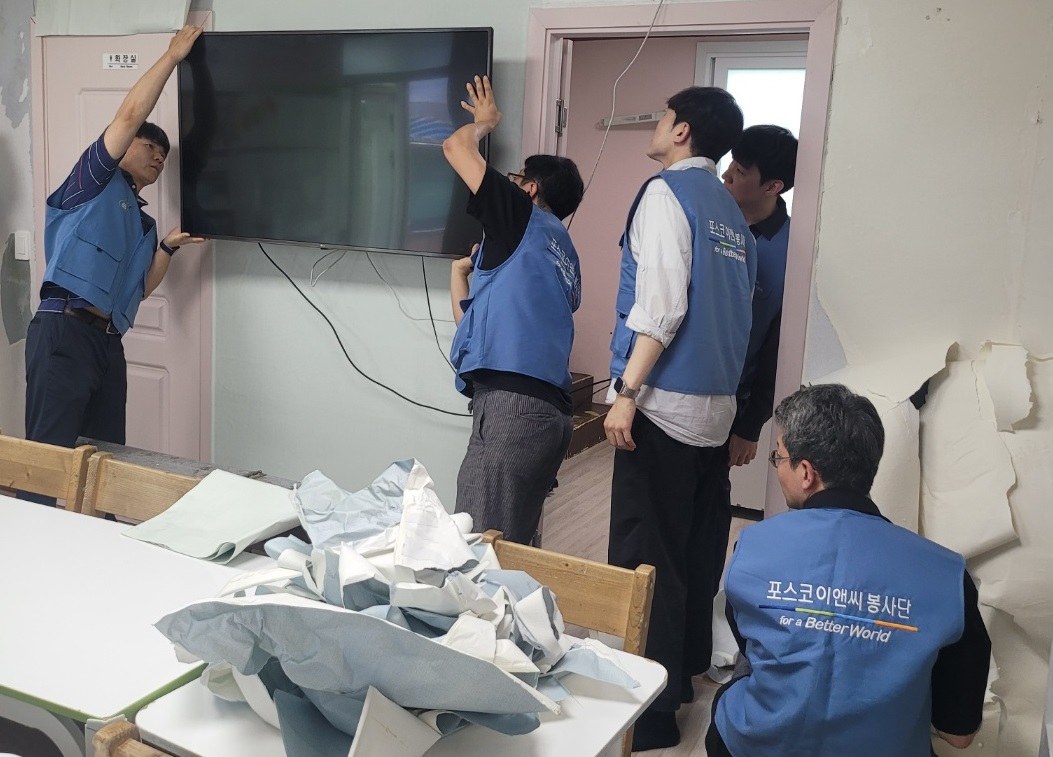
At POSCO E&C's domestic sites, employees directly plan and execute volunteer activities for the local community. The project costs are funded by the 1% fund directly donated by employees. Employees participate in various community sharing activities, ranging from simple home repairs such as wallpapering and flooring for vulnerable households to free meal support and village hall remodeling.
Safe Growth Environment Support for Children and Youth 'Kkumter Jikimi'
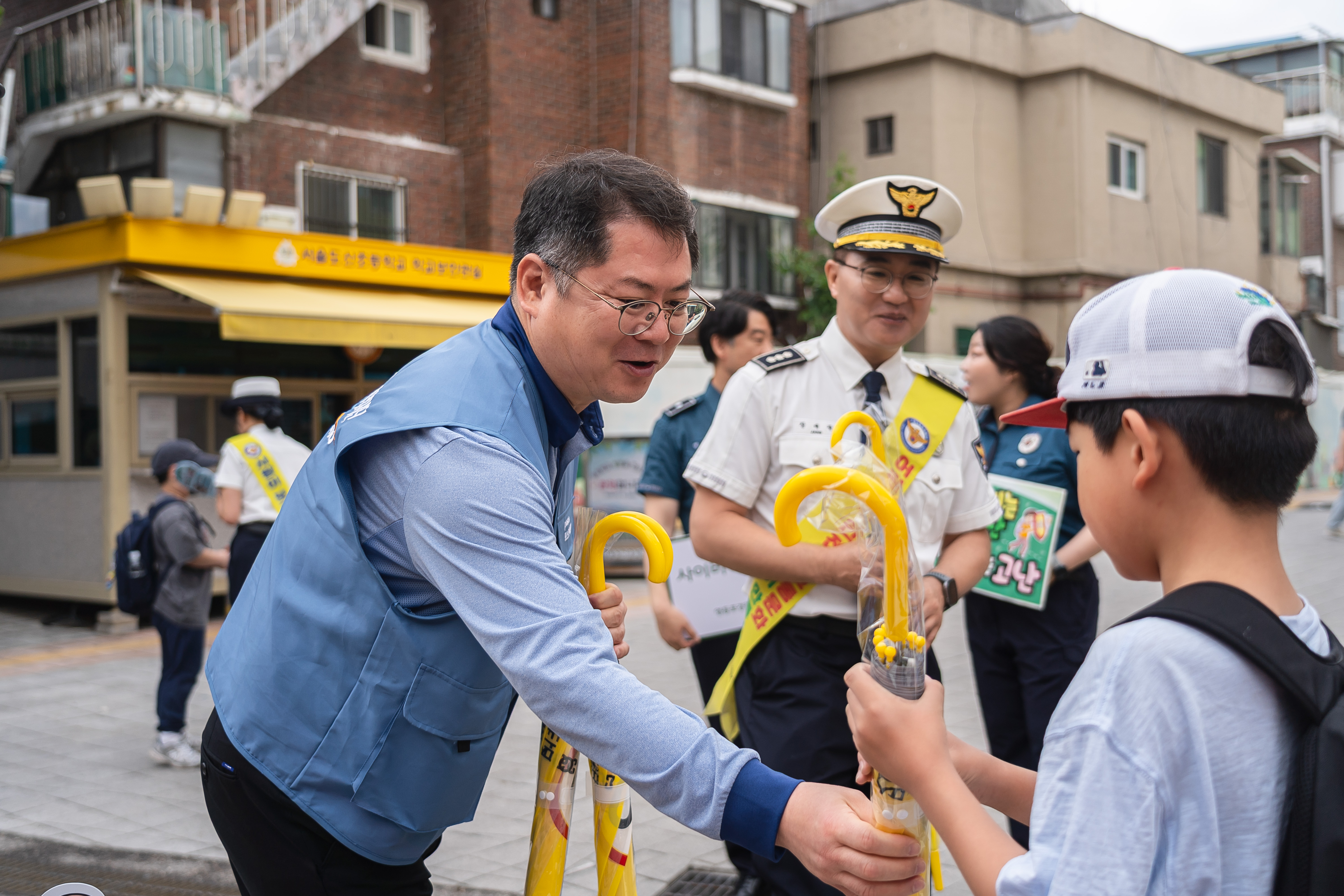
Since 2025, POSCO E&C has been carrying out the 'Kkumter Jikimi' project to create a safe environment where children and youth can live with peace of mind. This project involves remodeling aging and hazardous facilities in child and youth facilities, as well as installing traffic safety facilities within school zones
Employee Talent Donation Activities 'Talent Volunteer Group'
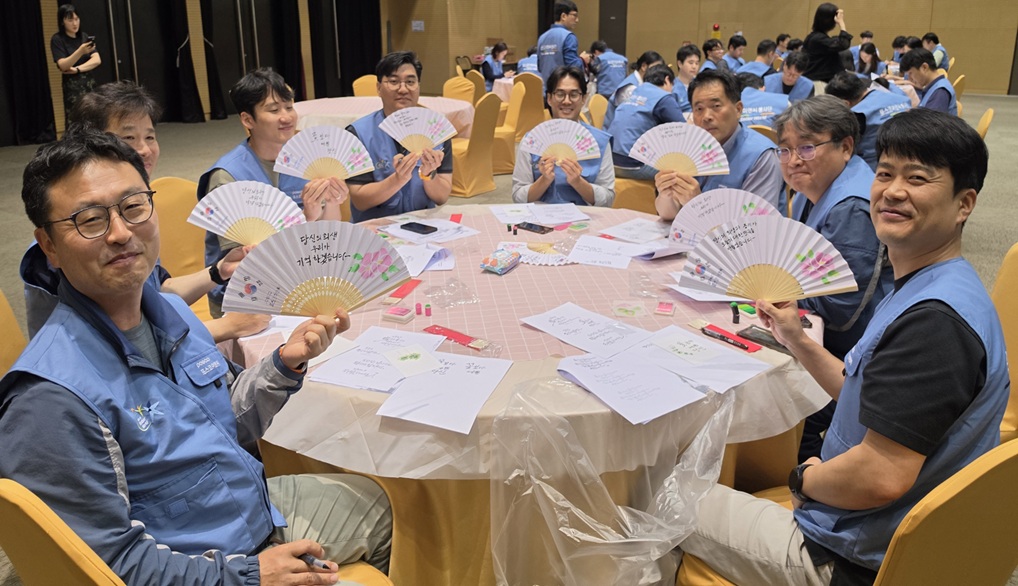
POSCO E&C supports the local community through talent donation activities utilizing the talents, skills, and capabilities of its employees. As of 2026, a total of 20 volunteer groups comprising 400 employees are participating, engaging in activities such as bakeries, orchestras, living environment improvements, and mural painting.
Living Environment Improvement
Incheon Living Environment Improvement Volunteer Group
Mulsarang Volunteer GroupEducation Mentoring
Mentoring Volunteer Group
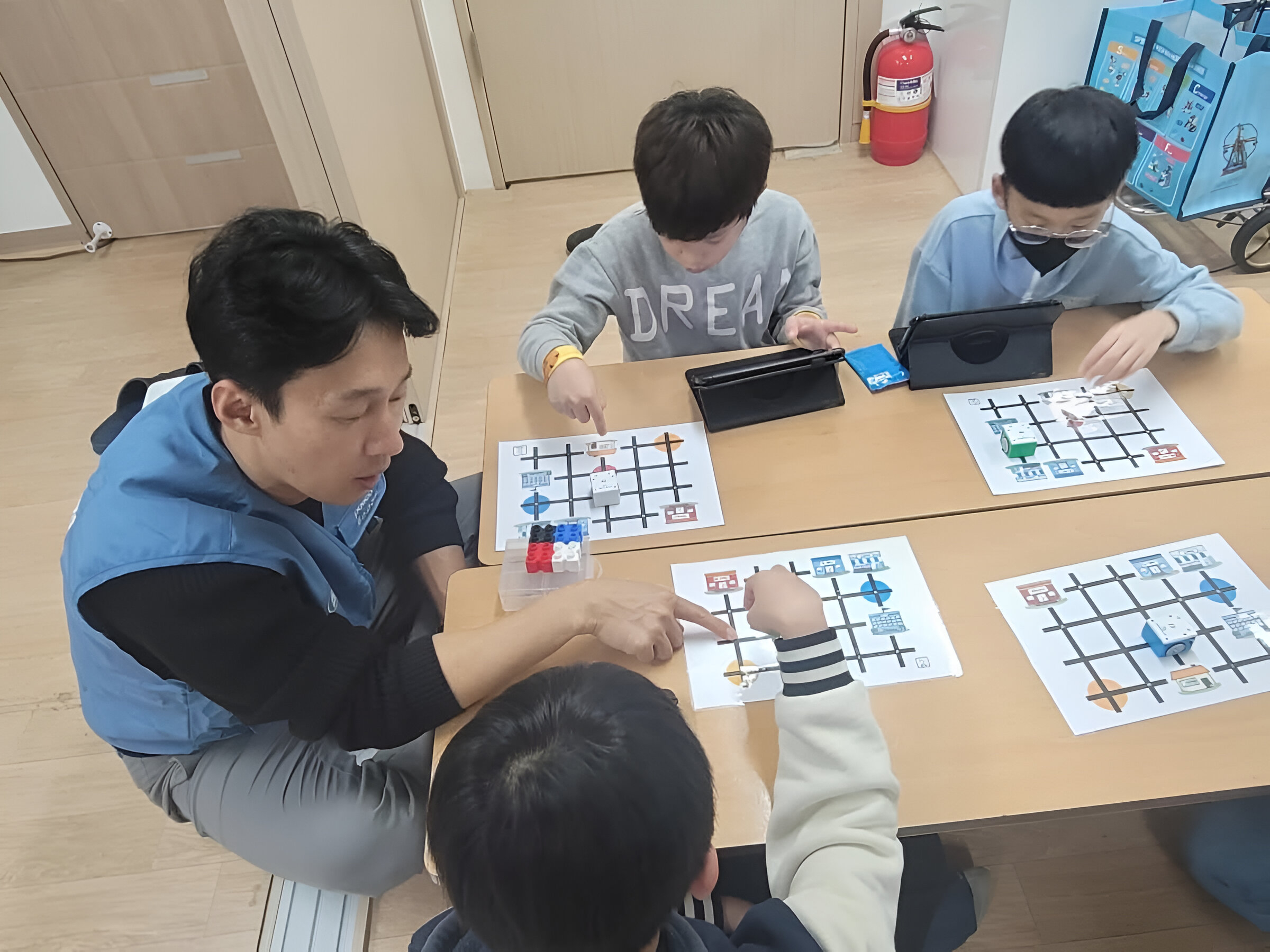
Coding Volunteer Group
Little PM Volunteer Group
AI Bridge Volunteer Group
Announcer Volunteer Group
Japanese Education Volunteer GroupSports
Gymnastics Volunteer Group, Rugby Volunteer Group
Dancesport Volunteer Group
Running Crew Volunteer Group
Biryong FC Soccer Volunteer GroupCulture & Arts
Orchestra Volunteer Group
Band Volunteer Group
Bakery Volunteer Group
Sokcho Bakery Volunteer Group
Mural Painting Volunteer Group
Cultural Heritage Care Volunteer Group
Village Frame Volunteer Group-
 Living Environment Improvement Volunteer Group
-
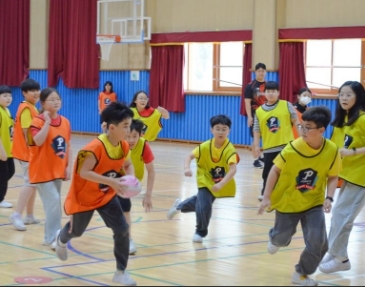 Rugby Volunteer Group – Elementary School Rugby Class
-
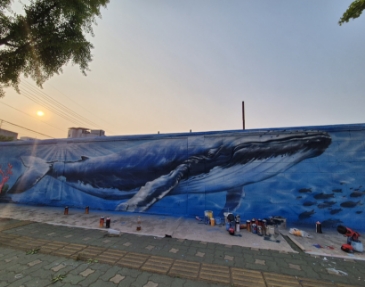 Mural Painting Volunteer Group – Street Mural Activity
-
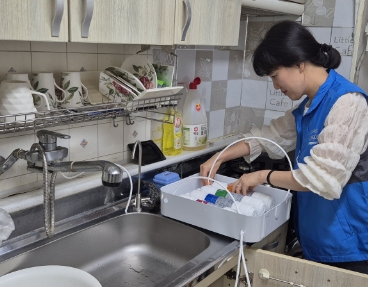 Mulsarang Volunteer Group – Water Purifier Support for Vulnerable Groups
-
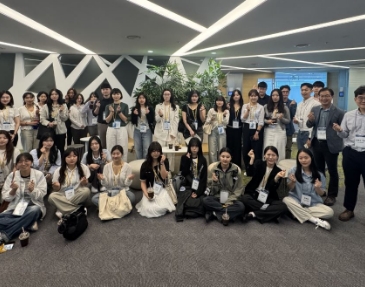 Mentoring Volunteer Group – Construction Field University Student Mentoring
-
 Bakery Volunteer Group
-
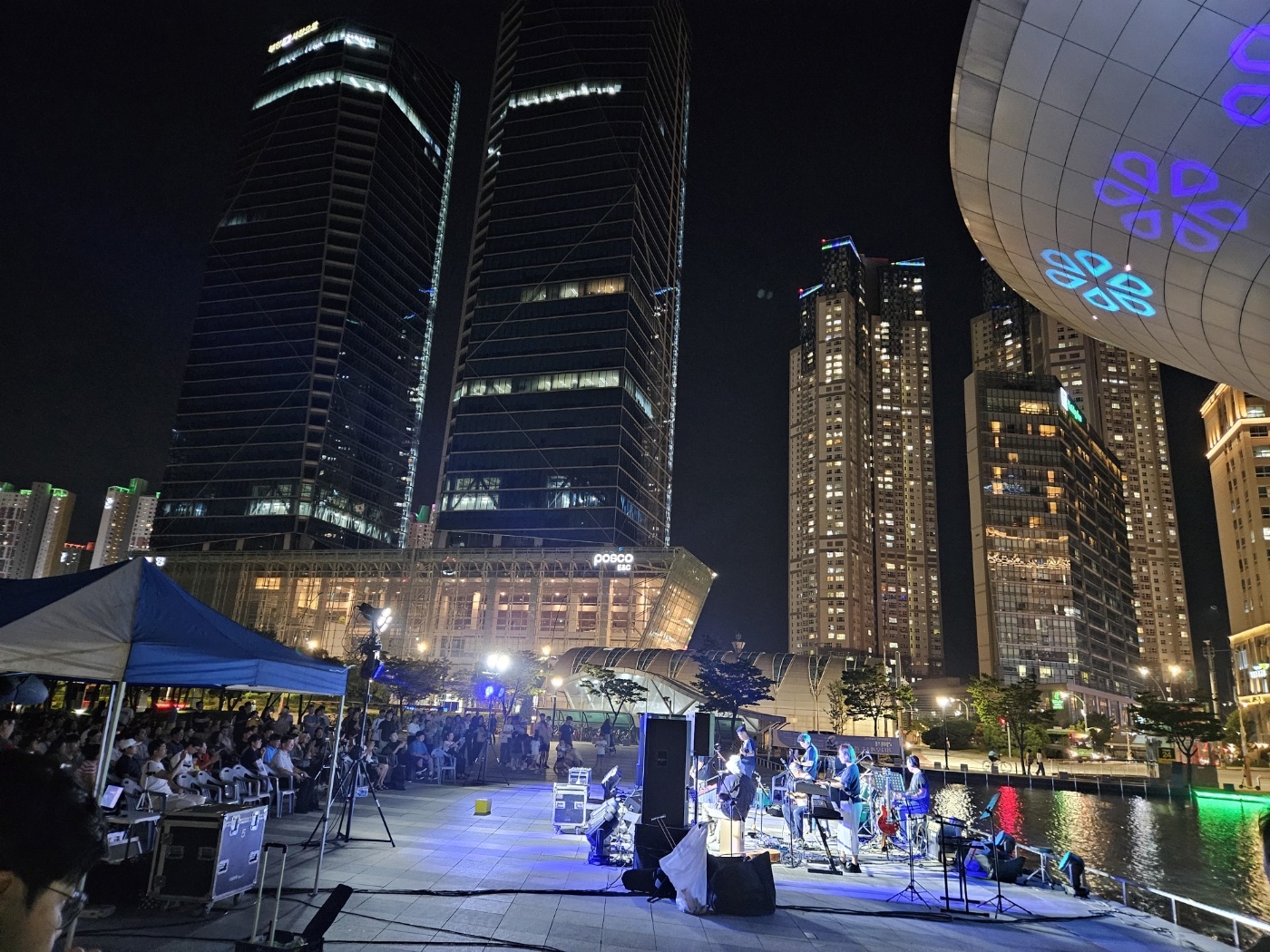 Band Volunteer Group
-
 Cultural Heritage Care Volunteer Group
-
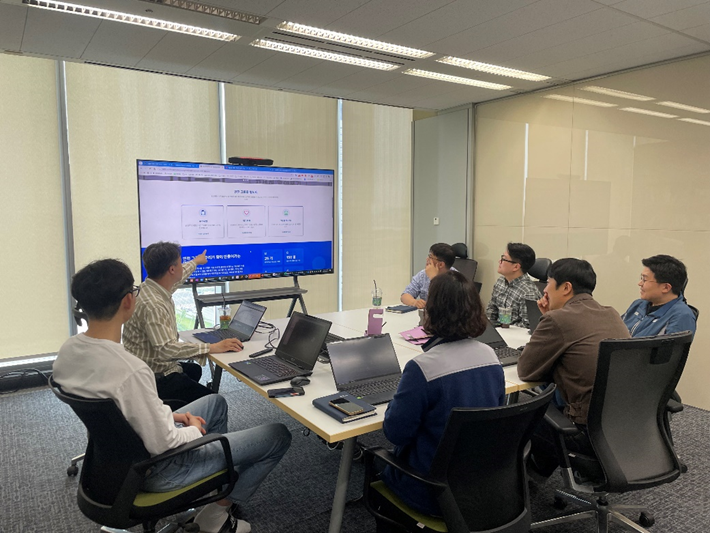 AI Production Volunteer Group
-
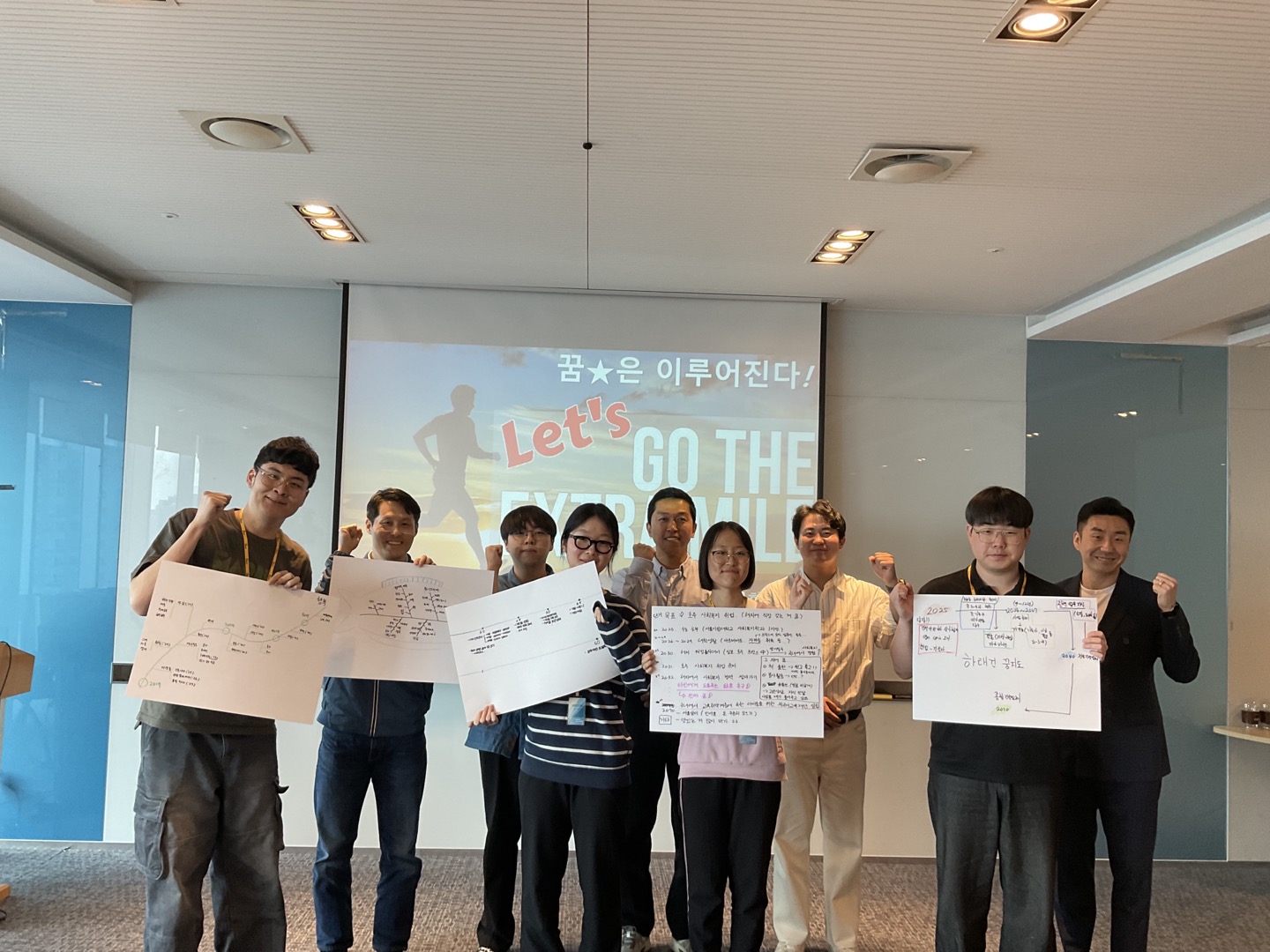 Little PM Volunteer Group
-
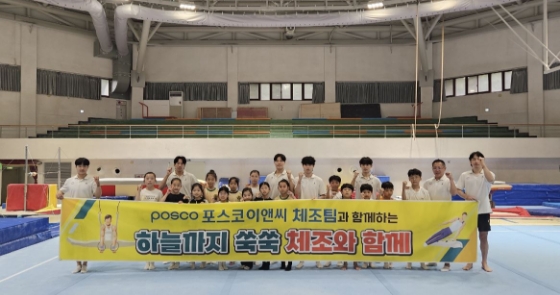 Gymnastics Volunteer Group –
Dream Tree Gymnastics Class -
 Sokcho Yeongrang Bakery Volunteer Group –
Together with Local Resident
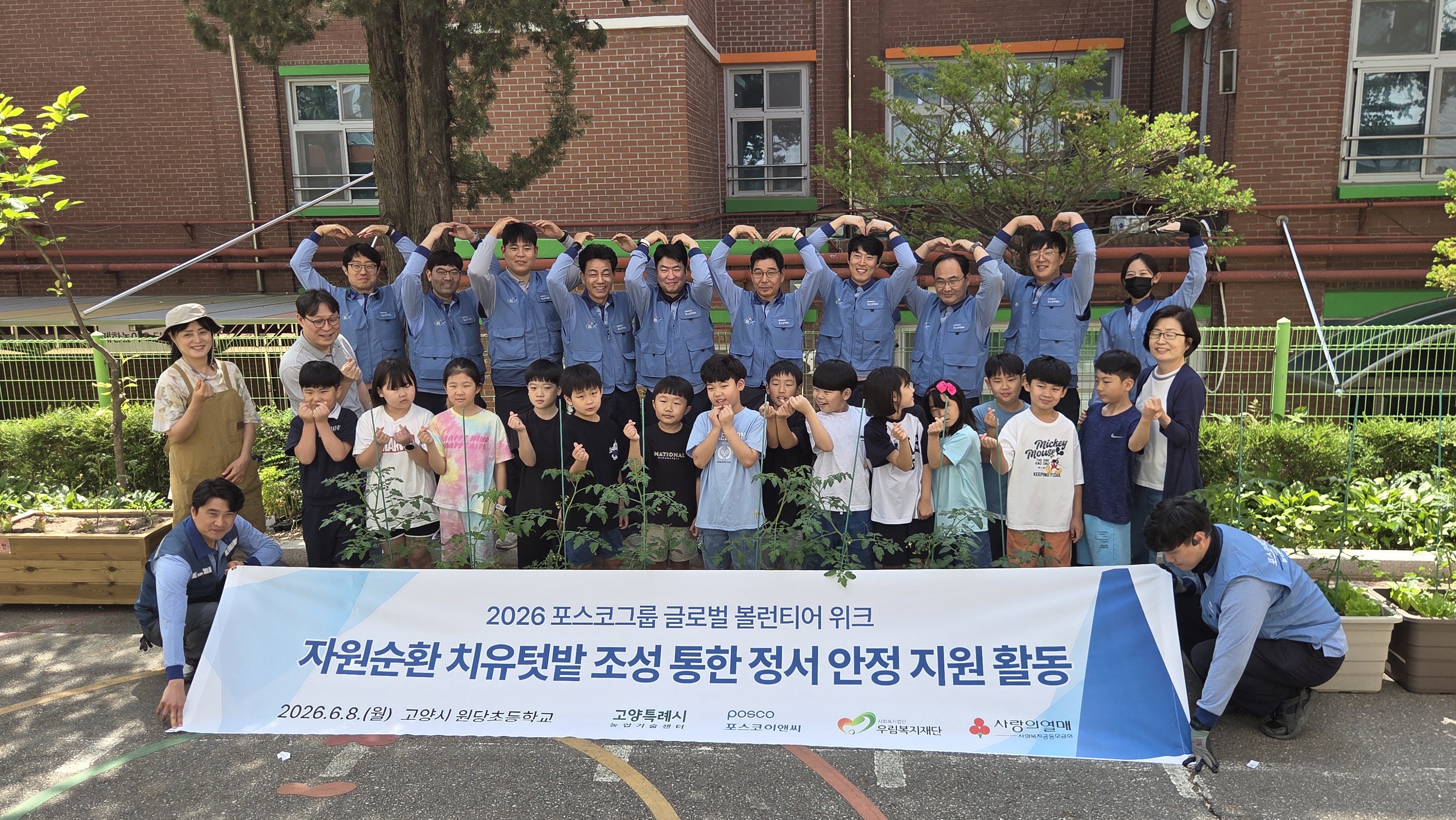
Psychological Stability Support for the Future Generation 'Healing Garden Creation'
POSCO E&C carries out healing garden creation activities for the future generation. Gardens are created using RE:CO Soil, a soil conditioner developed by recycling coffee grounds. The company supports healing programs designed to cultivate children's emotional well-being and foster teamwork.
Sharing Love 'Blood Donation'
-
Participating Personnel 19,954 people
-
 Blood Donation Certificates Donated 1,010certificates(As of June 2026)
-
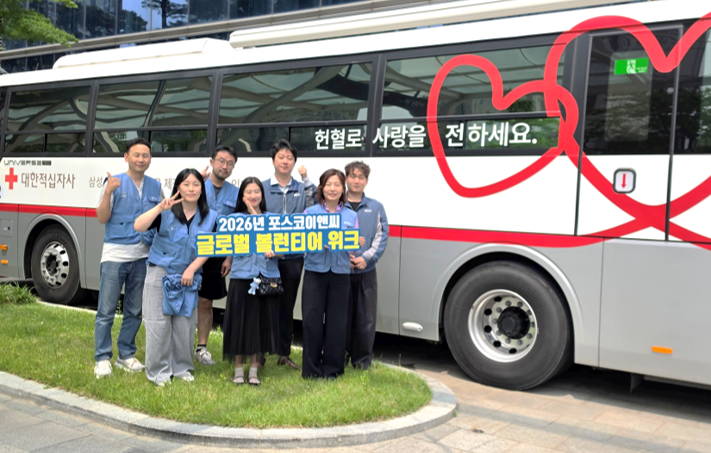
POSCO E&C has partnered with the Korean Red Cross since 2006 to conduct blood donation activities for neighbors in need of blood. The company received the Korean Red Cross President's Award as a corporate representative on 'World Blood Donor Day' in 2024, and was awarded the Incheon Mayor's Commendation in 2026.
Utilizing Lunch Break 'Connecting Warm Hearts'
-
Participating Personnel 904 people
-
 Beneficiaries
1,449 people
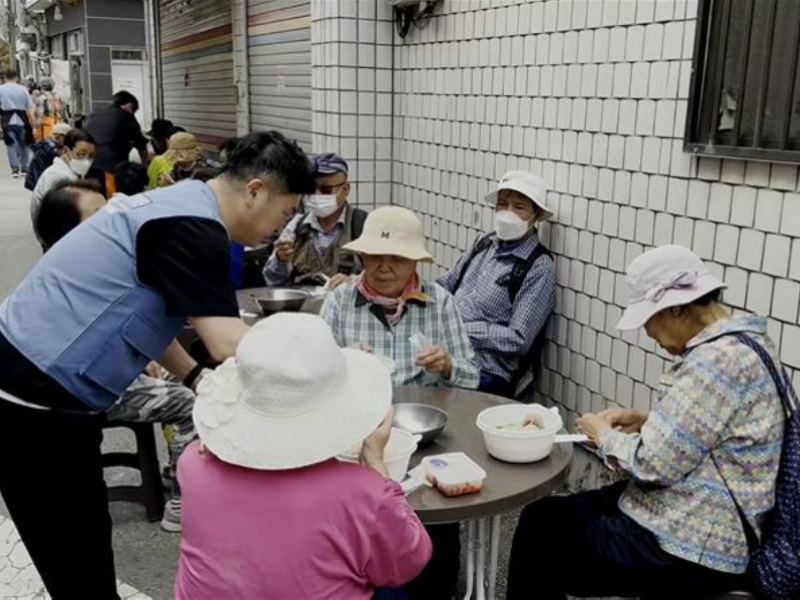
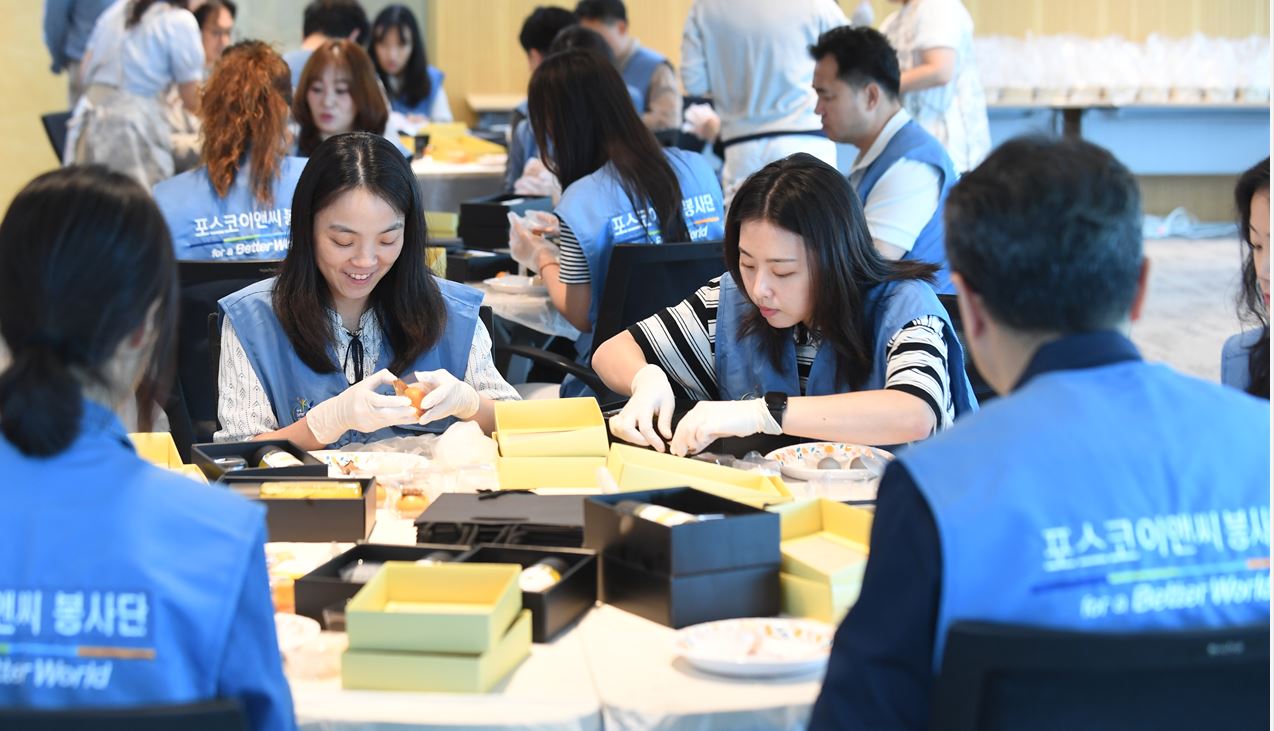
Since 2025, POSCO E&C has been conducting monthly volunteer activities to allow members to deliver warm hearts to the local community during their lunchtime, even amidst busy daily routines.

Promoting Joint Projects with Related Organizations
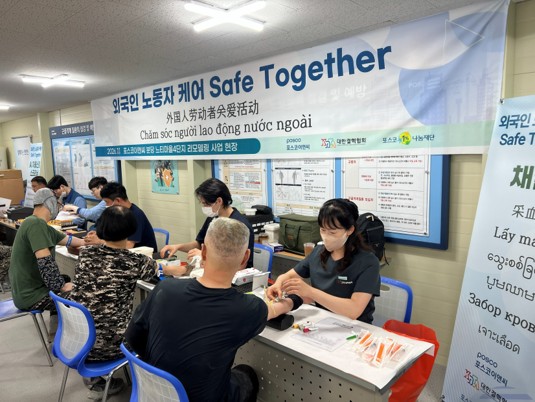
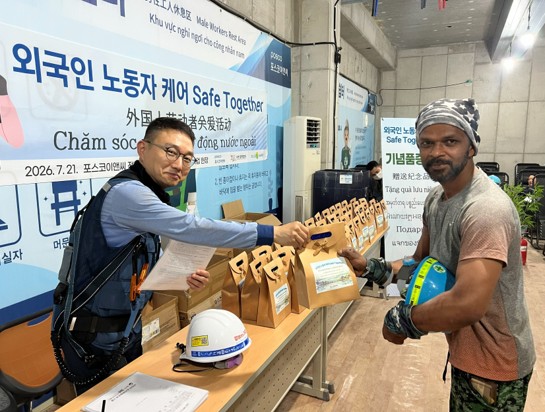
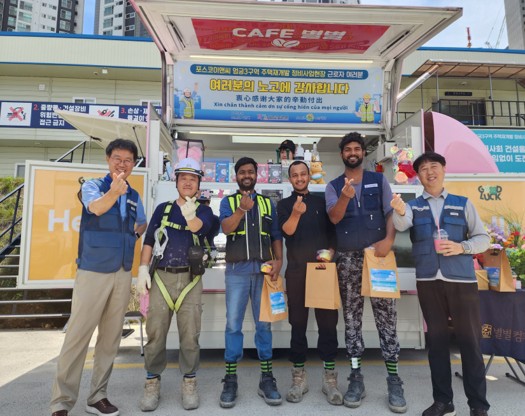
Foreign Worker Care 'Safe Together'
-
Number of Beneficiaries: 2,932 people(as of July 2026)
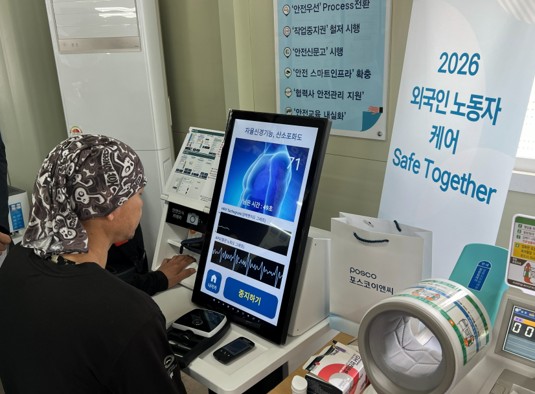
POSCO E&C carries out care activities for foreign workers who are in blind spots of welfare due to economic difficulties and communication issues. The company provides health check-ups for tuberculosis and chronic diseases, improves accommodation environments, and offers support during heatwaves and cold waves to help foreign workers adapt to Korean society and improve their quality of life.
Hi Blue Carbon, Bye! Black Carbon Activities
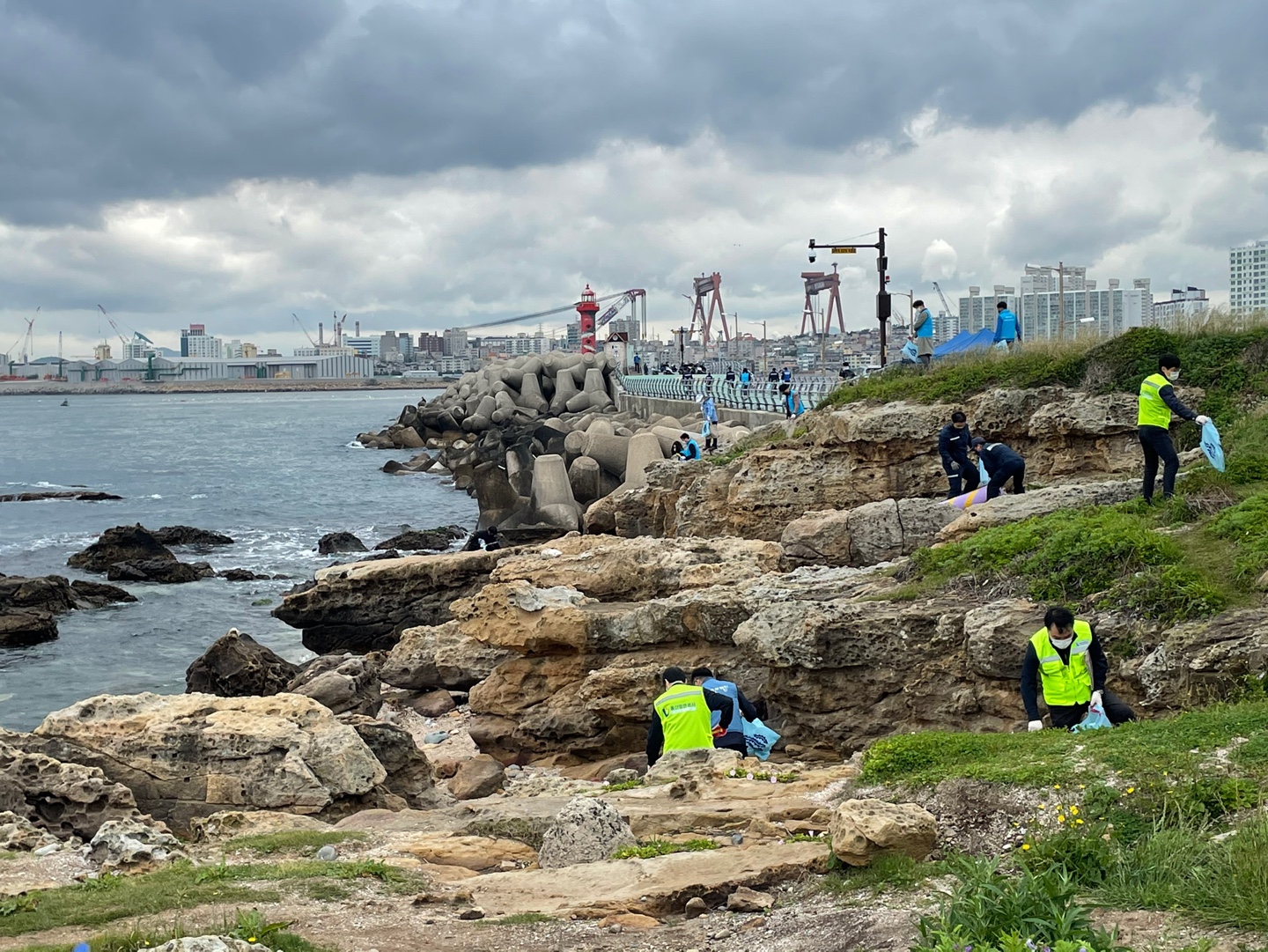
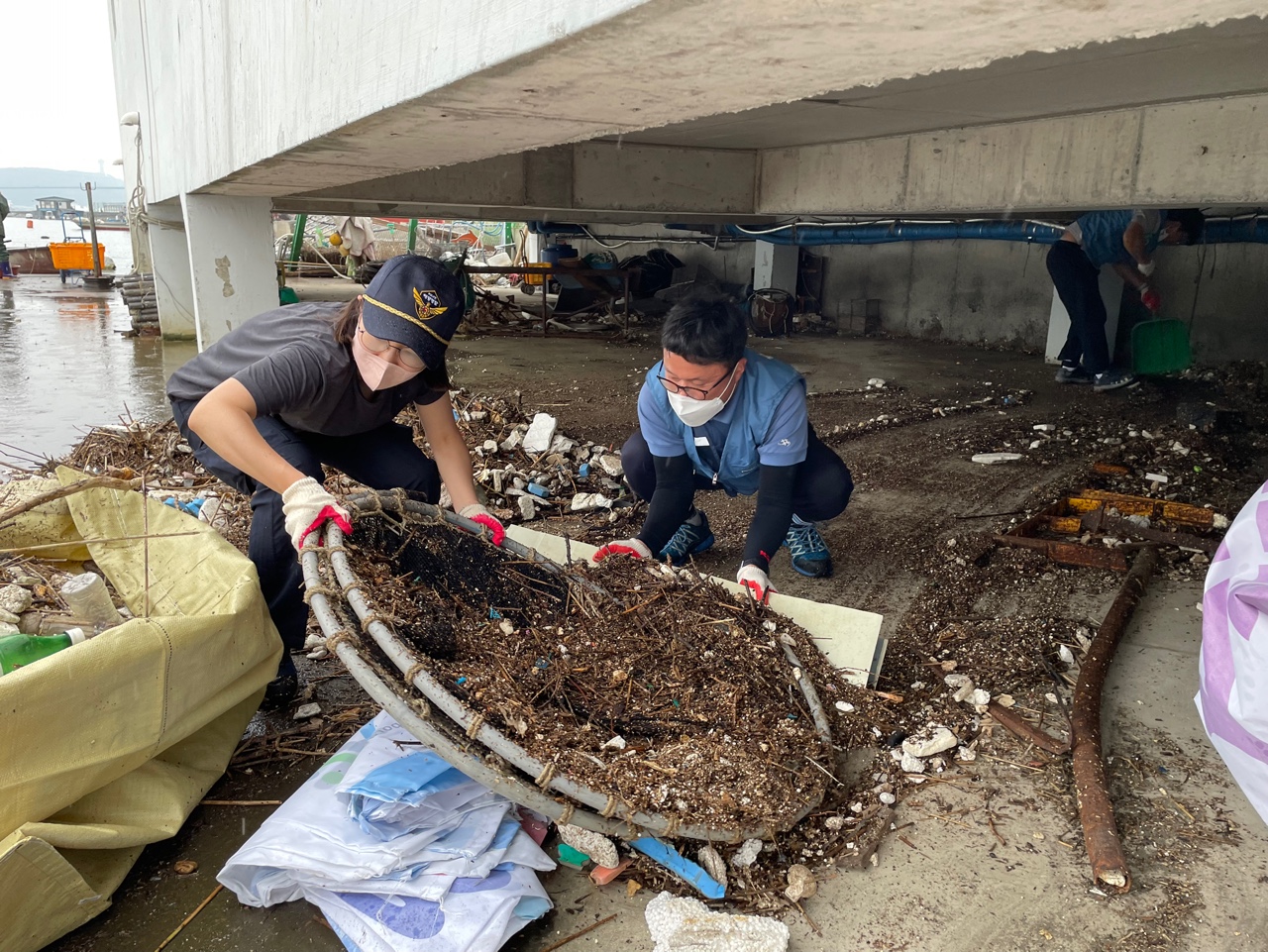
POSCO E&C signed a business agreement with the Korea Coast Guard in November 2020 and has been carrying out the 'Bye Blackcarbon, Hi Bluecarbon' activities.
Creating a Clean and Safe Sea – Bye Blackcarbon
Organizing the 'Clean Ocean Volunteer Group' near business sites in major coastal areas such as Incheon, Buan, Gwangyang, Pohang, and Busan to collect marine waste (Blackcarbon) such as plastics that could flow into the ocean.
Strengthening Carbon Sinks through Halophyte Colony Creation and
Tidal Flat Ecological Restoration – Hi Blue CarbonPOSCO E&C is carrying out the 'Hi Blue Carbon' project to expand marine carbon sinks and restore coastal ecosystems through Nature-Based Solutions (NBS) by creating halophyte colonies connecting Incheon, Buan, and Gwangyang. Blue carbon refers to carbon absorbed and stored from the atmosphere by coastal and marine ecosystems. Starting with the abandoned salt fields in Yeongjong, Incheon and Julpo Bay in Buan in 2023, and expanding to Sorae Wetland in Incheon and the Seomjin River estuary in Gwangyang, POSCO E&C has carried out halophyte seeding, systematic management, and monitoring, creating a total colony area of approximately 231,400 m² (approx. 23 ha) as of 2026.

2023–2026 Halophyte Colony Restoration Performance
- · Restoration of 33,000 m² of abandoned salt fields at Incheon Seaside Park
- · Restoration of 66,000 m² of Incheon Sorae Wetland · Restoration of 82,500 m² of Buan Julpo Bay Ramsar Wetland
- · Restoration of 49,500 m² of tidal flats at the Gwangyang Seomjin River estuary
- · Development of 10 botanical illustrations of halophytes
- · Hosting on-site colony experience activities for children and youth (October)
- · Development of the 'Blue Carbon' educational website (www.hibluecarbon.kr)
-
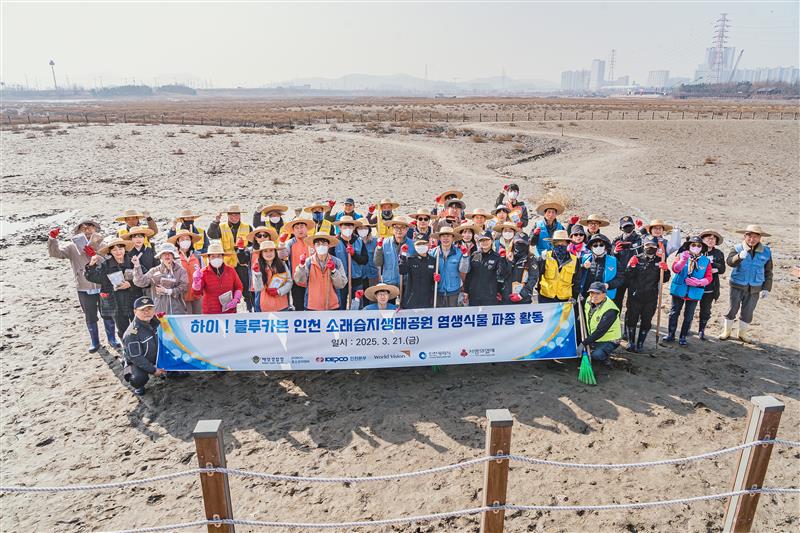
Seed sowing (Incheon Sorae Wetland, March)
-

Seed sowing (Incheon Sorae Wetland, March)
-

Colony restoration appearance (Buan Julpo Bay, October)
-
-




CCTV Operation policy
CCTV Policy for the Protection of Personal Information
CHAPTER I GENERAL PROVISIONS
Article 1 (Purpose)
The purpose of this Policy is to fulfill appropriate duties and comply with applicable laws by setting matters POSCO E&C Ltd. (the “Company”) must comply with in relation to the installation and operation of closed-circuit televisions and protection of footages.
Article 2 (Definitions)
The terms used in this Policy shall be defined as follows:
- 1. The term closed-circuit television (“CCTV”) is a type of communication network, in which the footages recorded from the CCTVs located in specific sites are collected and transmitted to exclusive receivers through wired/wireless closed-circuit channels.
- 2. The term “footage” refers to CCTV recordings of which the recorded subject can be identified.
- 3. The term “data subject” refers to an individual who can be identified from the footage; that is, the subject of footage.
- 4. The term “processing” refers to the act of handling data collected through CCTVs, such as inputting, saving, editing, deleting, playing, and other similar acts, excluding the collection of such data.
Article 3 (Scope of Application)
- (1) In relation to the installation and operation of CCTVs needed for crime prevention, facility security, and fire safety, as well as the protection of footages that are collected and processed by the aforementioned reasons, the provisions of this Policy shall be observed, unless special provisions are stipulated in other laws.
- (2) Use of auxiliary cameras for CCTVs installed and operated by the Company shall also comply with this Policy, regardless of the fact whether their recordings are treated as actual footages or not.
Article 4 (Protection of Footages)
- (1) The Company shall collect minimum scope of footages that meets the purpose of CCTV installation.
- (2) The Company must have the data subject clearly aware of the installation purpose as mentioned in paragraph (1) of this Article. The footages shall not be used for other purposes than the said purpose.
- (3) The Company shall secure accurate and the latest footages and manage them in a safe manner.
- (4) The Company shall disclose general matters in relation to the handling of footages and protect the rights of data subjects.
CHAPTER II REQUIREMENTS FOR CCTV INSTALLATION
Article 5 (Notification of Installation Plans, etc.)
In the event of installing a CCTV, the Company shall prepare a CCTV installation and operation plan (“Plan”) that includes the following items:
- 1. Purpose of CCTV installation;
- 2. Division in charge of CCTV control: Handling officer and contact details;
- 3. Number of cameras, locations, performance, and scope of recording of the CCTV to be installed and operated;
- 4. Standard of the caution sign to be installed and the installation location in accordance with Article 7(1);
- 5. Contents, procedures, and methods regarding the data subject's exercise of rights and means of objection;
- 6. CCTV recording time, retention period of footages, methods of storage, management, and deletion of footages, and storage location of footages;
- 7. Actual location where footages transmitted from CCTVs are accessed and played, and access control to the said location;
- 8. Grounds, procedures, and methods of providing or granting access to footages to a third party; and
- 9. Other matters recognized to be necessary for the protection of footages
Article 6 (Designation of CCTV Managers)
- (1) The head of the division in charge of the installation and operation of CCTVs shall be designated as the CCTV General Manager, while his or her staff shall be designated as CCTV Operation Manager(s) (“CCTV Manager(s)”).
- (2) The CCTV Manager shall take charge of duties in relation to the installation and operation of CCTVs, reception and handling of complaints, and collection and processing of footages.
- (3) The CCTV Manager shall designate and manage a separate Personal Information Handler and inform the CCTV General Manager of relevant information in the event of CCTV installation and/or other changes.
Article 7 (Installation of Caution Signs)
- (1) In the event of installing a CCTV, the Company shall put up caution signs regarding CCTV operation and the collection of footages for the recognition of data subjects.
- (2) The signs in relation to paragraph (1) of this Article shall mention the following items:
- 1. Purpose of CCTV installation;
- 2. Recording scope and time; and
- 3. Information on the CCTV handling division, CCTV Manager, and contact details
- (3) The signs in relation to Paragraph (1) of this Article shall be installed within the recording scope where they are easily visible and understood by data subjects.
- (4) Notwithstanding Paragraph (2), in the event of installing several CCTVs in the Company’s building, the sign that complies with Paragraph (1) may mention that the whole building is within the recording scope and can be attached only on the building exits.
CHAPTER III REQUIREMENTS FOR HANDLING FOOTAGES
Article 8 (Limitation on Collection)
- (1) CCTVs shall not be arbitrarily manipulated or shoot other places beyond the purpose of their installation during collection of footages.
- (2) Footage rotation and zooming features that have no relation to the purpose of CCTV installation may not be used during collection of footages.
Article 9 (Limitation on Processing)
Footages of a data subject may not be used for other purposes than the CCTV installation purpose or be granted access or provided to a person who has no access authority: Provided, That this shall not apply in any of the following circumstances:
- 1. Where consent is obtained from the data subject;
- 2. Where the data is given access or provided to the data subject;
- 3. Where special provisions exist in other laws;
- 4. Where the data is provided in a pseudonymized manner when it is required for the purposes of reporting by the media through newspapers or broadcasting;
- 5. Where there is an urgent reason for not obtaining the data subject's consent when the risk that the rights and interests of the data subject may be infringed is clear and present;
- 6. Where it is necessary for the investigation of a crime, indictment, and/or prosecution; or
- 7. Where it is necessary for the enforcement of punishment, probation, and custody.
Article 10 (Safeguards, etc.)
- The Company shall designate a place where footages transmitted by CCTVs are actually accessed and played (“Control Center”) as a restricted zone and strictly limit the access of individuals apart from those who have been granted the authority.
- (2) The Company shall limit the authority to access footages to CCTV Managers and the minimum number of designated personnel.
- (3) The Company shall regularly inspect and check the normal operation of CCTVs and keep an accurate record regarding the matters.
- (4) The Company shall seek for technical and managerial safety measures in response to illegal access, alteration, leakage, and damage of footages.
- (5) The Company shall prepare a training course on the personal information protection of data subjects for those who are granted authority to access footages.
Article 11 (Request for Access, etc.)
- (1) A data subject may request to confirm the existence, access, and/or delete footages to the Company.
- (2) In relation to the request as mentioned in the paragraph (1) of this Article, the Company shall take immediate action in accordance with Article 5(5).
- (3) Notwithstanding Paragraph (2) of this Article, the Company may refuse to take action in the event of any of the following circumstances. In this case, the grounds for refusal and objection method shall be informed (including information and communications networks) to the data subject within seven (7) days.
- 1. Where it may cause grave difficulties in performing investigation of crimes, prosecution, and conduct of trials;
- 2. Where deleting only the footages of a specific data subject is extremely difficult in technical manner;
- 3. Where taking appropriate action as prescribed in Paragraph (1) of this Article may infringe upon other's privacy rights; or
- 4. Where there are appropriate grounds to refuse the request for access, etc., that meet the public interest.
Article 12 (Retention and Deletion)
Footages collected through CCTVs shall be deleted without delay once the data retention period mentioned in the Plan expires: Provided, That when it is difficult to determine the minimum period of time required to achieve the purpose of data retention due to the nature of a division, the retention period shall be within thirty (30) days after the collection of footages.
CHAPTER IV SUPPLEMENTARY PROVISIONS
Article 13 (Consignment of Duties)
- (1) In the event of consigning the duties in relation to the installation, operation, and management of CCTVs, the Company shall take necessary safety measures to prevent the abuse of footages and supervise the consignee.
- (2) The consignee who is granted authority to access footages in relation to paragraph (1) of this Article shall undergo a training course as mentioned in Article 10(5).[lh1]
Article 14 (Confidentiality)
Those who handle or have handled footages shall not use the obtained data for inappropriate purposes, such as revealing, processing without authority, and/or providing for the use of another person.
Article 15 (Exclusion)
This Policy shall not be applied to CCTVs installed and operated to supervise the duties of individuals who are with the military regardless of their duties.