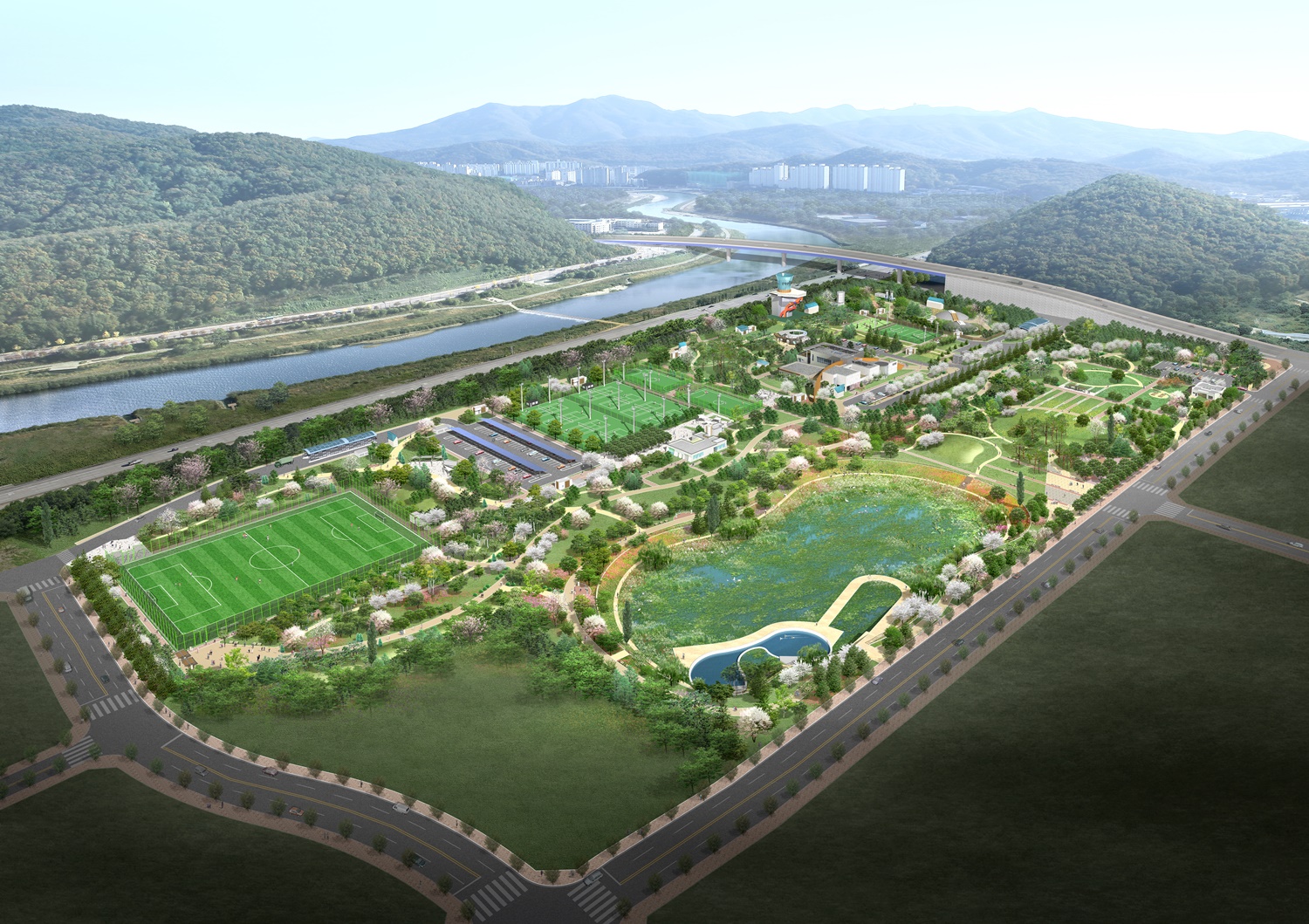
A New Transformation of a Repulsive Facility: South Korea's First Large-Scale Wastewater Treatment Facility Reborn as a Community Rest Area
The Anyang Saemul Park construction project is South Korea's first initiative to systematically demolish and fully underground a large-scale wastewater treatment facility. Reflecting public opinion, the city named the project "Saemul Park," meaning that the wastewater treatment plant is no longer a disliked facility, but rather a space where energy is produced, residents can rest, and polluted water is reborn.
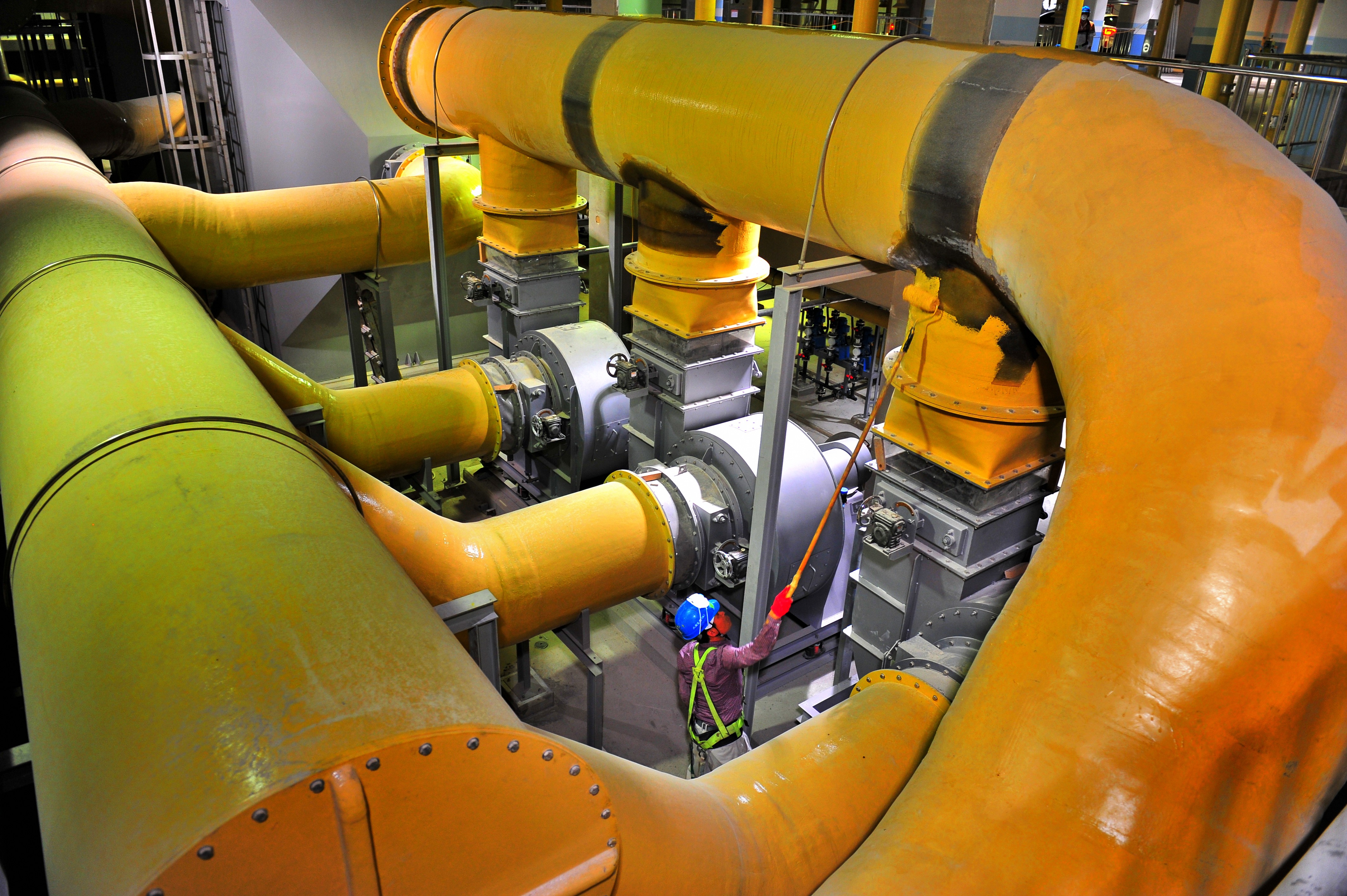
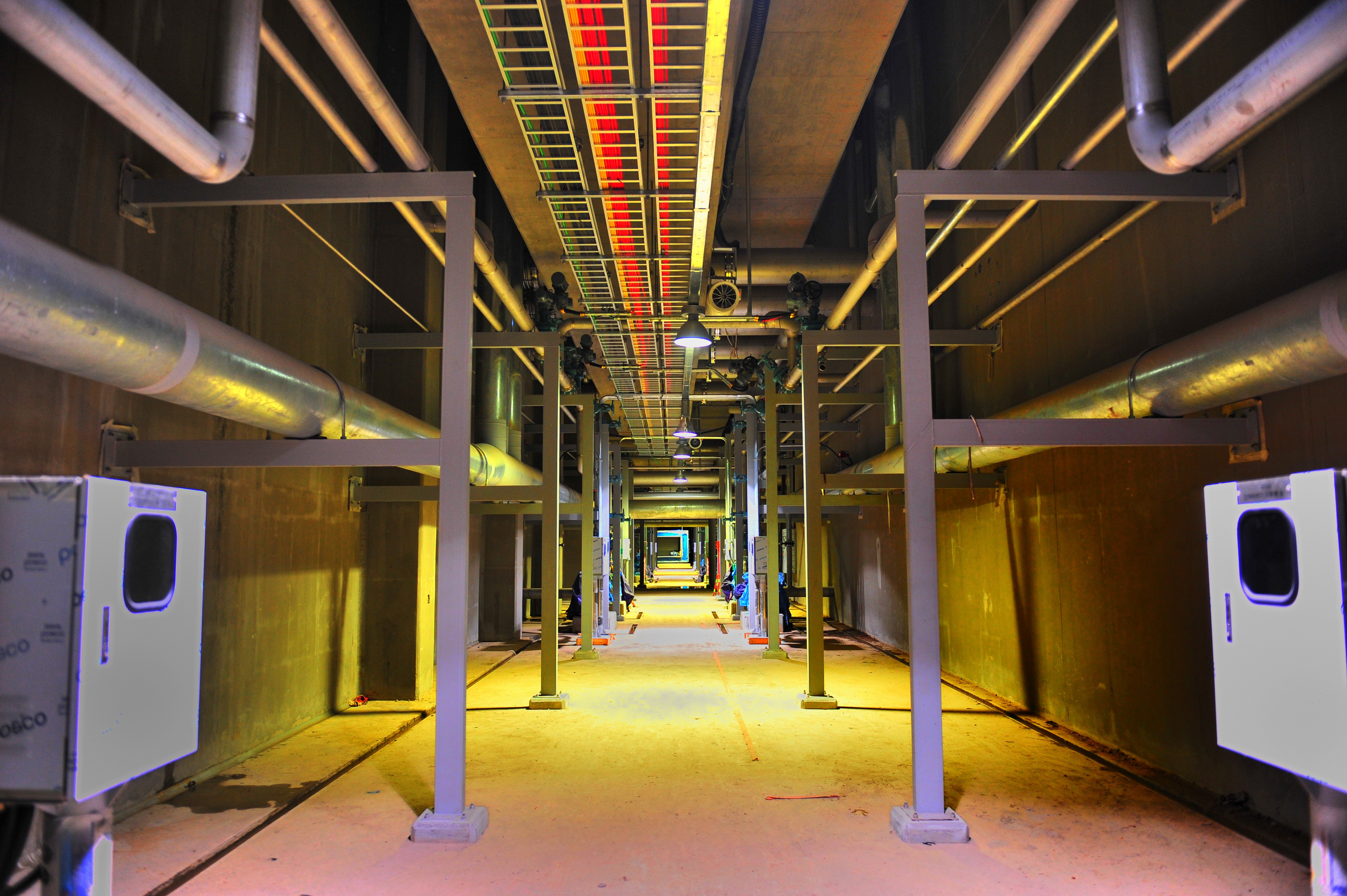
Involving a total project cost of 321.8 billion KRW (including 2.924 billion KRW in construction costs), this project constructed the existing Bakdal Wastewater Treatment Plant's processing facilities underground.
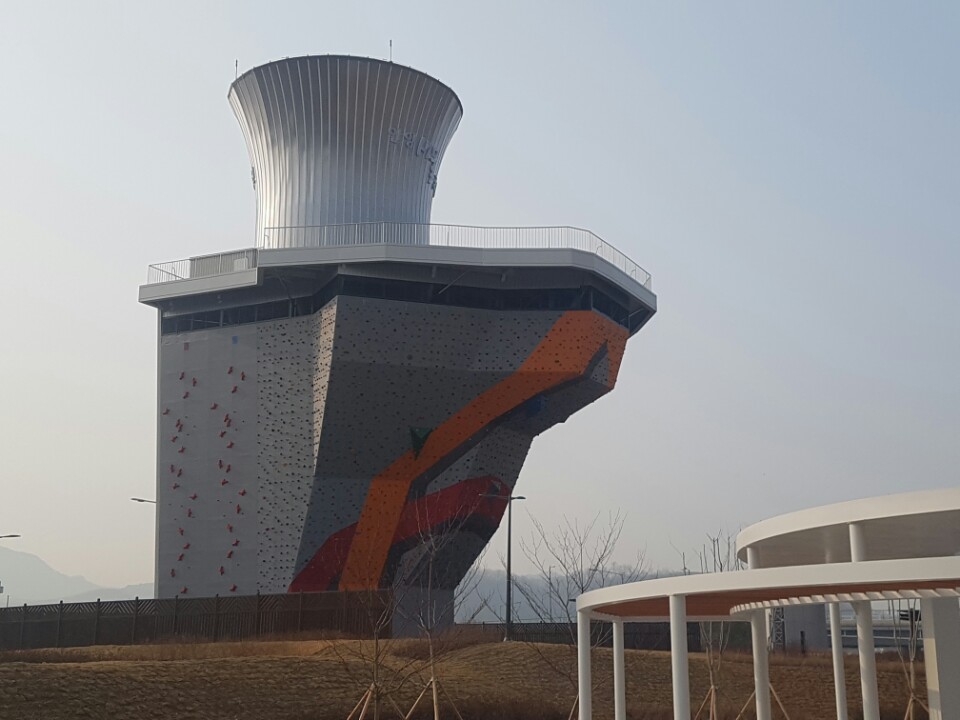
As a result, foul odors were eliminated, and the upper deck was reborn as a residential rest area harmonized with green spaces and sports facilities.
In particular, it is expected to serve as a frontline outpost that transitions from energy consumption to energy production. By utilizing methane gas generated during the wastewater treatment process, it produces 19.71 million kWh of electricity—an amount usable by approximately 5,400 households annually, resulting in budget savings of about 4.2 billion KRW. Furthermore, advanced advanced-treatment facilities and total phosphorus facilities for compliance with effluent water quality standards were installed in the underground wastewater treatment plant, contributing to the improvement of Anyang Stream's water quality.